Center Certification & Testing International

RCM certification is a kind of logo introduced by Australia and New Zealand to realize the unified logo of electrical products. This logo is a trademark owned by the regulatory authorities of Australia and New Zealand, which means that the products meet the safety regulations and EMC requirements at the same time and is mandatory. On March 1, 2016, C-Tick, A-Tick and RCM were integrated into a single regulatory compliance mark RCM. SAA certification refers to safety regulations, C-Tick certification controls EMC and radio products, and A-Tick certification controls telecommunications products. That is to say, RCM needs to meet the requirements of safety and EMC at the same time in order to put RCM logo on the product.
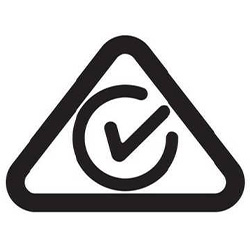
RCM certification mainly applies to the following categories of products:
1. Low-risk equipment: non-medium-high-risk equipment, including most information technology and communication equipment;
2. Medium-risk equipment: including 11 kinds of equipment such as audio and video equipment powered by AC;
3. High-risk equipment: including more than 80 kinds of equipment such as AC power supply household appliances.
1. Wireless RF test: Ensure that the wireless signal of Bluetooth printer is stable and does not interfere with other devices.
2. Electromagnetic compatibility test: Ensure that the Bluetooth printer works normally in a complex electromagnetic environment without affecting the normal operation of other electronic devices.
3. Electromagnetic exposure test: strictly control the amount of electromagnetic radiation generated by Bluetooth printer to ensure the safety of users' daily use and stay away from radiation hazards.
4. Electrical safety test: Ensure that Bluetooth printer products meet the EU electrical safety standards and eliminate potential safety hazards.
1. Application Form;
2. User Manual;
3. RF Specifications;
4. Product Label;
5. RF Test Mode (only wireless technologies such as Bluetooth, Wi-Fi, Zigbee and 2.4GHz need to be fixed frequency).
1. Data preparation: sort out product data as required, confirm product model and test standard, and avoid data omission;
2. Selection of certification bodies: find qualified laboratories or certification bodies to cooperate, submit materials and sign certification agreements;
3. Sample testing: mail the Bluetooth printer samples to the testing organization, and the laboratory will test the Bluetooth printer according to the relevant standards. If the test fails, the enterprise shall make rectification according to the test report until the test is qualified;
4. Submit application: After passing the test, the laboratory will submit the test report and other materials to the certification body for review.
5. Audit and certification: After the audit is passed, the certification body will issue the RCM certification certificate.
1. The "bottom line" of legal operation: Australian and New Zealand local laws and regulations clearly require that electronic equipment with wireless function must pass RCM certification before it can be sold, and uncertified products will not only be removed from the shelves, but also face fines or legal accountability.
2. "Advantage" of market competition: At present, in the new Australian market, the products of compliant enterprises are all certified by RCM, and products without certification will be abandoned by consumers because of "safety and insecurity", while certified Bluetooth printers can obtain the qualifications of large supermarkets and e-commerce platforms more quickly, which can also enhance users' trust;
3. "Endorsement" of product quality: RCM certification testing covers the dimensions of electrical safety, electromagnetic compatibility, wireless compliance, etc. Passing certification means that the product meets the requirements of ANZ standards, which can reduce after-sales disputes caused by product quality problems and reduce the operating costs of enterprises.

Label printers entering the Brazilian market, ANATEL certification is an essential passport! It is the recognition of the Brazilian Telecommunications Authority for the safety and compliance of electronic products, without which products cannot be legally sold.
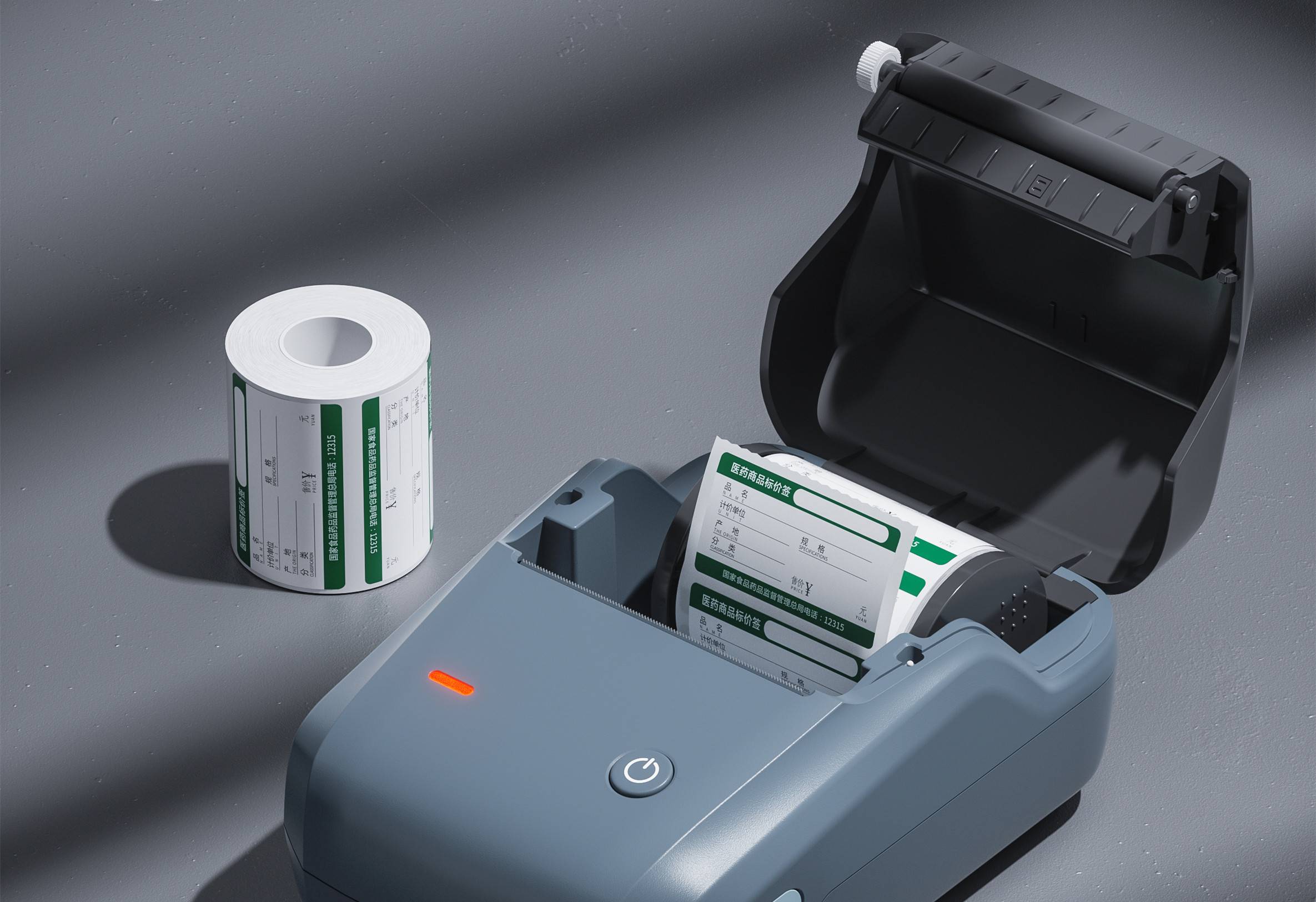
SRRC certification is not only a guarantee of product compliance, but also a key to opening up the market.
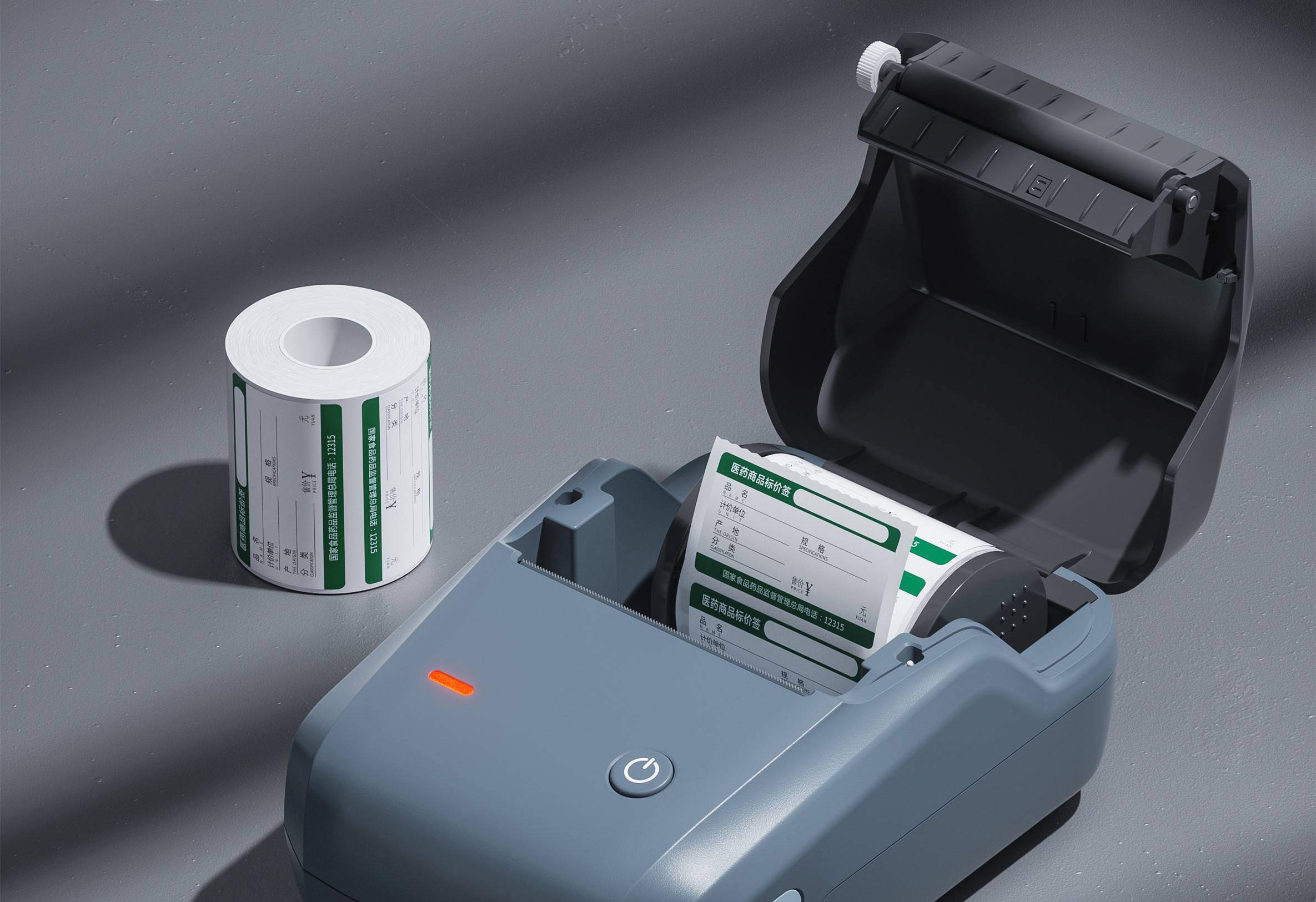
FCC ID certification is a mandatory certification for electronic products by the Federal Communications Commission (FCC) in the United States, and it is essential for label printers to obtain this certification.

Tik Tok