Center Certification & Testing International
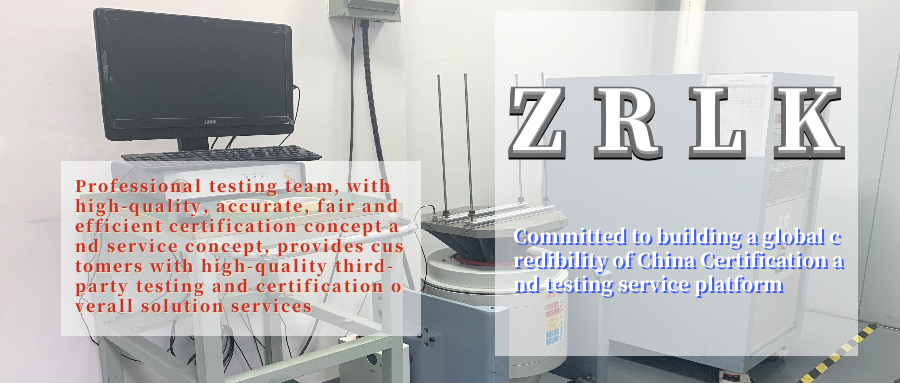
Certification introduction
BIS certification is a product certification in India. It is supervised by the Indian Bureau of Standards (BIS). According to different product types, BIS certification is divided into three types, including mandatory ISI mark certification, CRS certification, and voluntary certification. The BIS certification system has a history of more than 50 years, covering more than 1,000 products. All products that are included in the mandatory list must obtain BIS certification (ISI mark registration certification) before they can be sold in India.
BIS is a third-party certification body. Products certified by it will bear the ISI label, which has a wide influence in India and neighboring countries. It has a good reputation and is a reliable guarantee for product quality. Once the product is marked with the "ISI logo", it means that it complies with the relevant Indian standards, and consumers can buy it with confidence.
In order to unify product supervision standards and requirements and ensure product quality and safety, India began to implement a product certification system in 1955. According to The BIS Act (1986), India ’s product certification implements the principle of voluntary certification, but considering the factors of public health and safety and mass consumption, the Indian government has issued specific laws and regulations to implement specific products. Mandatory certification. Designed to provide end-consumers with quality-assured, safe and reliable products. All products included in the compulsory certification must obtain a product certification in accordance with Indian product standards before entering the market. Therefore, it is necessary for manufacturers that want to enter the Indian market to have an understanding of India's product certification system.
Brief Introduction of Indian Bureau of Standards (BIS)
According to The BIS Act (1986), the Indian Bureau of Standards (BIS) is the standardization and certification authority in India and is specifically responsible for product certification. It is also the only product certification agency in India and was officially established in 1987. In order to replace the Indian Institute of Standards established in 1946.
The Indian Bureau of Standards (BIS) belongs to the Ministry of Consumer Affairs and Public Distribution. Although it is a corporate body, it performs government functions. Its main tasks are to formulate and implement national standards; implement conformity assessment systems; Standardization activities. The Indian Bureau of Standards (BIS) is a financially independent organization that certifies income as its main source of income. There are 5 regional offices and 19 branch offices under BIS. The regional bureau supervision corresponds to the branch bureau. The eight laboratories to which BIS belongs and some independent laboratories are responsible for the inspection of samples taken during the product certification process. These laboratories are implemented in accordance with ISO / IEC17025: 1999.
Certification considerations
1. The BIS certification is valid for 1 year, and applicants must pay an annual fee. You can apply for an extension before the expiration. At this time, you need to submit an extension application and pay the application fee and annual fee.
2. BIS accepts CB reports issued by valid agencies.
3. If the applicant meets the following conditions, certification will be faster.
a. Fill in the factory address in the application form with the manufacturing plant
b. The factory has test equipment that complies with relevant Indian standards
c. The product officially meets the requirements of relevant Indian standards
Certification classification
At present, BIS certification is divided into three categories:
1. Mandatory ISI mark type certification (product testing + initial factory inspection + post-certification supervision), mainly including cement, food, automobile parts, steel products and other categories;
2. BIS Compulsory Registration System (CRS) (product testing + post-certification supervision), mainly including tablet computers, microwave ovens, wireless keyboards, printer power adapters, LED lights, lithium batteries, mobile power supplies, mobile phones and smart card readers ≤10kVA uninterruptible power supply / inverter, rear projection / LCD / LED TV with size of 32 inches and below, etc .;
3. The rest is BIS voluntary certification, and products other than mandatory mark certification and registration certification can apply.
Applicable product range
BIS has issued more than 30,000 product certifications. After obtaining the certificate, the manufacturer is allowed to attach ISI labels. The certification covers almost every industrial field such as agricultural products, textiles, and electronics.
List of compulsory certification products:
The first batch (MANDATORY)
Certification field BIS certification is applicable to manufacturers in any country. The certification fields are:
1. Tires; 2. Irons, kettles, electric stoves, heaters and other household appliances; 3. Cement and concrete; 4. Circuit breakers; 5. Iron and steel; 6. Electric energy meters; 7. Auto parts; 8. Food, milk powder ; 9. Baby bottle; 10. Tungsten filament lamp; 11. Oil pressure furnace; 12. Large transformer; 13. Plug; 14. Medium and high voltage wire and cable; 15. Self-ballasted bulb. (Compulsory in batches since 1986)
The second batch (COMPULSORY)
Products with mandatory registration are electronic information technology equipment, including:
1. Set-top box; 2. Portable computer; 3. Notebook; 4. Tablet computer; 5. Monitor with screen size of 32 inches or more; 6. Video monitor; 7. Printer, plotter, scanner; 8. Wireless keyboard ; 9. Telephone answering machine; 10. Automatic data processor; 11. Microwave oven; 12. Projector; 13. Electronic clock with grid power supply; 14. Power amplifier; 15. Electronic music system (from March 2013 Mandatory)
New in the second batch (COMPULSORY)
16. IT equipment power adapter; 17. AV equipment power adapter; 18. UPS (uninterruptible power supply); 19. DC or AC LED module; 20. battery; 21. self-ballasted LED lamp; 22. LED lamp; 23 .Mobile phone; 24. Cash register; 25. Sales terminal equipment; 26. Copier; 27. Smart card reader; 28. Post processor, automatic stamping machine; 29. Pass reader; 30. Power bank. (Mandatory from November 2014)
application process
1. The customer provides information and samples to the testing organization
2. The testing agency conducts structural inspection on the product and prepares relevant documents for certification application?
3. Does the testing agency send the samples to the Indian cooperative laboratory?
4. Sample test
5. The BIS test report issued by the Indian cooperative laboratory
6. The testing agency provides registration documents, Indian representatives and test reports to apply for registration to BIS
7. BIS approves and issues a registration authorization letter?
8. The customer obtains the BIS registration number of the product and follows up the registration and evidence collection
Application materials
1. Application form;
2. An appointment form certifying that there is an agent in India, or a certification document certifying the Indian office of the manufacturer, and the approval letter from the Reserve Bank of India
3. Documents proving the establishment of the company, such as a registration certificate;
4. Process flow chart, illustrating the whole process of product manufacturing (from raw materials to finished products);
5. Quality control system (such as quality manual, quality control plan, test arrangement, etc.);
6. If available, provide other details of product or system certification;
7. If available, provide detailed information of components or raw materials used for product manufacturing before certification;
8. List of machines manufactured;
9. Test equipment list during the test;
10. Product design drawings;
11. Laboratory supervisors, technical and QC staff qualifications and detailed experience details;
12. Test report from an accredited independent laboratory or the factory's own laboratory;
13. Schematic diagram of the layout of the plant, clearly showing the main production machines, laboratories, etc .;
14. Schematic diagram of traffic near the factory, schematic diagram from the nearest airport or train station to the factory, and detailed instructions from India to the factory;
15. Bill of exchange bill

Australian RCM certification
Label printers entering the Brazilian market, ANATEL certification is an essential passport! It is the recognition of the Brazilian Telecommunications Authority for the safety and compliance of electronic products, without which products cannot be legally sold.
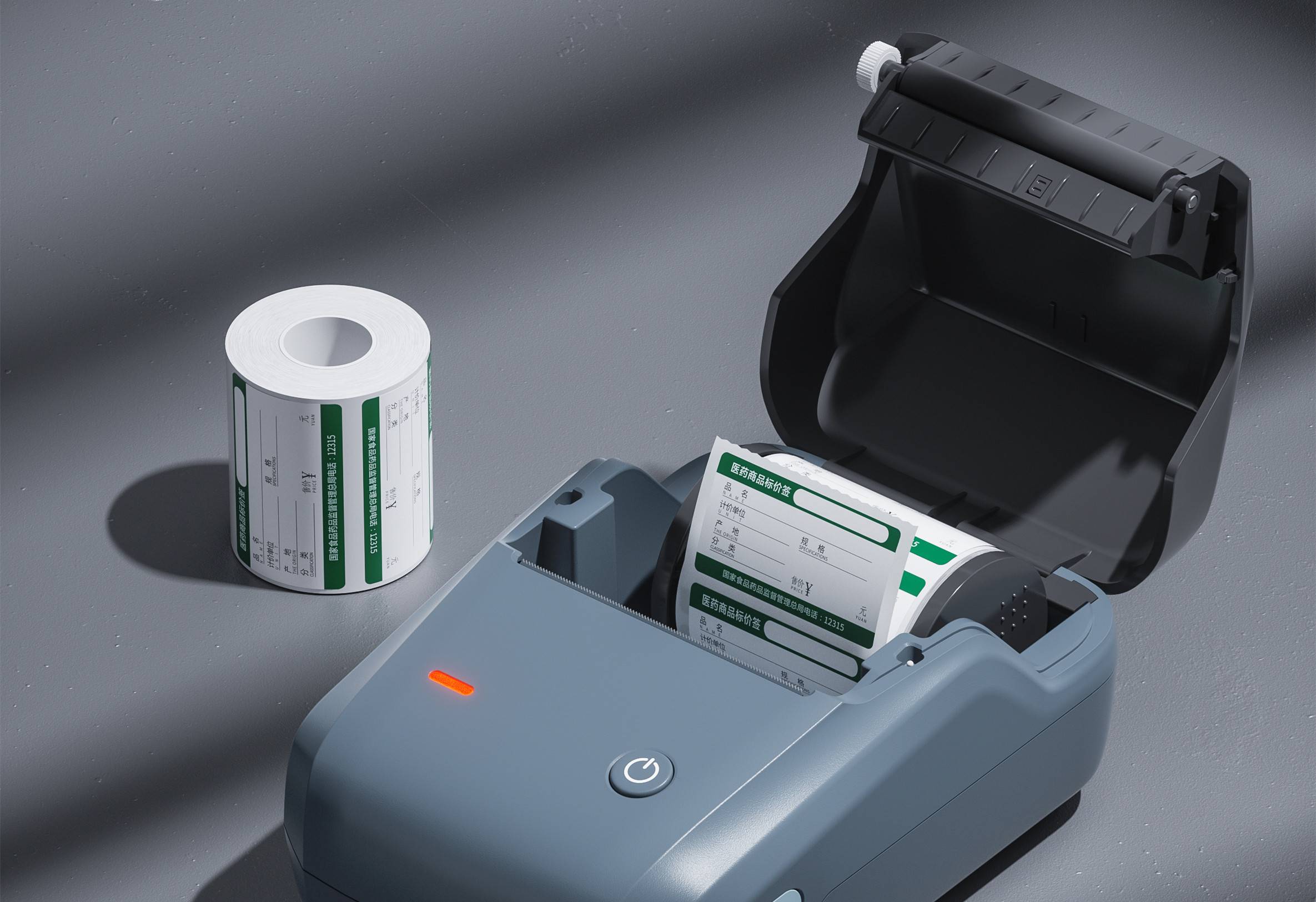
SRRC certification is not only a guarantee of product compliance, but also a key to opening up the market.
BIS certification is a product certification in India. It is supervised by the Indian Bureau of Standards (BIS). According to different product types, BIS certification is divided into three types, including mandatory ISI mark certification, CRS certification, and voluntary certification. The BIS certification system has a history of more than 50 years, covering more than 1,000 products. All products that are included in the mandatory list must obtain BIS certification (ISI mark registration certification) before they can be sold in India.
Get a quote

Tik Tok